
 See Our Latest Article on HelloNation
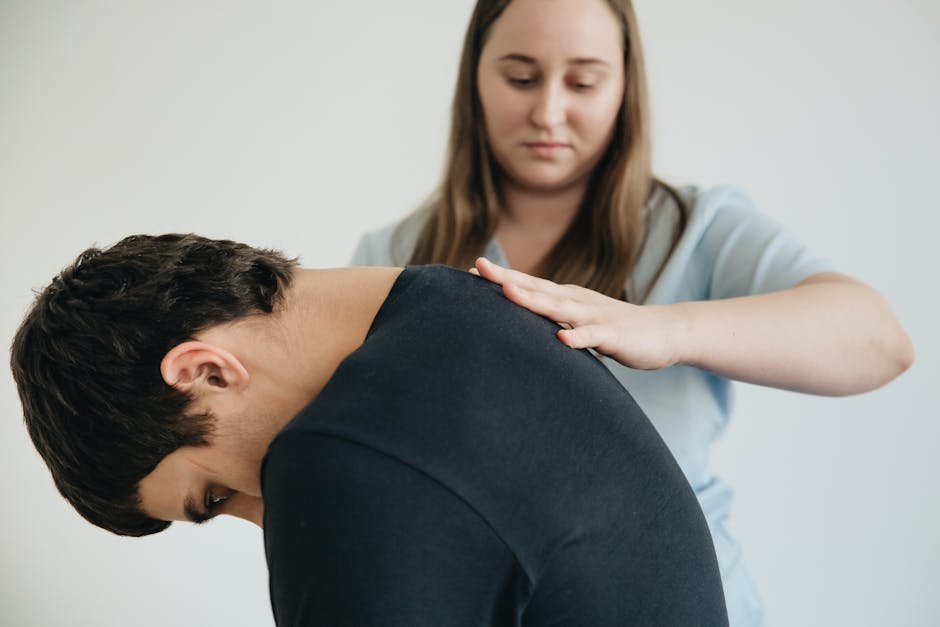
Back pain is one of the most common health complaints in America, and here in Irondequoit, NY, our active, lakeside lifestyle is both a blessing and, sometimes, a backache. Whether you’re working in Rochester, enjoying family picnics at Durand Eastman Park, or tending your gardens along the Genesee River, back pain can strike anyone. Unfortunately, there are plenty of myths about back pain that make it harder to get the right care—or even make it worse. Let’s separate fact from fiction and give you the knowledge to protect your spine and enjoy everything Irondequoit has to offer.
Myth 1: Back Pain Always Means You Need to Take It Easy
One of the most common misconceptions about back pain is that rest is always best. While it’s tempting to avoid movement, especially if you’ve tweaked your back while raking autumn leaves or shoveling winter snow, total rest can actually slow down recovery.
- Light activity and gentle stretching are usually recommended.
- Prolonged bedrest can weaken your muscles, making future injuries more likely.
- Daily walks along Seabreeze or short strolls in Seneca Park can keep your body moving and help most types of back pain improve faster.
Myth 2: Only Older Adults Get Back Pain
Many Irondequoit locals believe back pain is a problem only for the elderly. In truth, people of all ages—even active teens playing lacrosse at the town fields—can experience back pain.
- Back pain can result from poor posture, sports injuries, or even long hours sitting at a desk or attending zoom meetings.
- Kids and young adults are also prone to back discomfort due to backpacks that are too heavy or time spent hunched over digital devices.
Myth 3: Imaging Tests Always Reveal the Cause
When back pain strikes, many assume that an X-ray or MRI at Rochester Regional Health will give a clear diagnosis. But the reality is often more complicated.
- Many people have changes on imaging like bulging disks or arthritis but have no pain.
- The source of pain is often muscular or related to movement, which doesn’t show up on scans.
- Clinical exams and a careful review of your history are often more important than imaging for most cases of back pain.
Myth 4: If the Pain Is Severe, the Problem Must Be Serious
Severe back pain can be alarming, but intensity doesn’t always equal severity. Sometimes, a simple muscle spasm from lifting a heavy box at Wegmans can feel worse than a chronic issue.
- Muscle strains often cause severe, even incapacitating pain, but typically heal well.
- Serious conditions, like nerve compression, might cause numbness, tingling, or weakness. If you notice these symptoms, it’s wise to consult a professional promptly.
Myth 5: Back Pain Means You’ll Need Surgery
One of the fears that keeps people from seeking help is the worry that back pain inevitably leads to surgery. The good news? Very few people with back pain end up needing surgical intervention.
- Most back pain improves with conservative treatments: chiropractic care, physical therapy, exercise, and gentle stretches.
- Surgery is typically reserved for cases where there’s nerve damage, loss of bladder/bowel control, or structural issues that don’t respond to other therapies.
Myth 6: If You Stay Fit, You Won’t Get Back Pain
Living an active lifestyle here in Irondequoit—kayaking the bay, biking the lakeshore, or jogging around the Seneca Zoo—undoubtedly has health benefits. But even the fit can experience back pain.
- Overuse injuries, improper lifting technique, or imbalances from repetitive motions can still lead to flare-ups.
- Core strengthening, flexibility, and learning proper movement patterns are the best defense.
Myth 7: All Back Pain Is the Same
Back pain can feel similar across people, but the underlying causes are often quite different.
- Some pain is mechanical (from muscles or joints), some is due to nerve pressure, and others may relate to more complex conditions.
- A “one-size-fits-all” approach often doesn’t work; personalized assessment is key for long-term relief.
Myth 8: Good Posture Alone Prevents Back Pain
Your parents might have urged you to “sit up straight” at the dinner table, but posture is only one piece of the puzzle.
- Slumping at your work-from-home desk in Irondequoit can certainly strain your back—but even those with good posture can experience pain if other factors (like stress, weak muscles, or previous injuries) are at play.
- Regular breaks and ergonomic adjustments, along with movement, matter even more.
Tips for Maintaining a Healthy Back in Irondequoit
- Embrace our parks: Regular walks at Durand Eastman Park are low impact and keep you mobile.
- Lift smart: Whether hauling mulch in your yard or groceries up the porch, use your legs, not your back.
- Stay active year-round: Even in winter, swimming at the local YMCA or indoor activities support your spine.
- Get professional advice: Chiropractors and other providers can help you create a plan tailored for your needs and lifestyle.
When Should You Seek Medical Attention?
While most back pain improves with time and self-care, certain red flags deserve immediate attention:
- Loss of bladder or bowel control
- Persistent numbness or tingling in the legs
- Weakness in one or both legs
- Severe, unremitting pain, especially at night
If you experience these symptoms, visit your healthcare provider promptly. Luckily, Irondequoit has excellent access to medical resources—don’t hesitate to use them!
Conclusion
Back pain is a common challenge, but the myths surrounding it can hold you back from enjoying the Irondequoit lifestyle. Understanding the facts can help you stay active, get the right treatment, and return quickly to the activities you love, whether it’s paddle-boarding on the lake or cheering at a local football game. Stay informed, stay active, and don’t let back pain myths sideline your life.
