
 See Our Latest Article on HelloNation

How Are Chiropractic and Physical Therapy Different?
Chiropractic and physical therapy are both healthcare approaches focused on improving mobility, reducing pain, and supporting musculoskeletal health. While they may seem similar, each has distinct training backgrounds and techniques.
Chiropractors specialize in diagnosing and managing issues related to joints, the spine, and the nervous system. They often use manual adjustments and spinal manipulations to restore mobility and reduce nerve irritation. Physical therapists are trained to evaluate and manage movement disorders. They use exercises, stretches, and hands-on therapies to improve strength, flexibility, and function.
Both disciplines are regulated in New York State, requiring practitioners to have professional licenses and ongoing education. In Irondequoit, residents have access to both types of care, depending on their specific health needs and goals.
Do Chiropractic and Physical Therapy Overlap?
There is meaningful overlap in how these fields approach musculoskeletal problems, yet the emphasis differs. For example, both may work with residents recovering from back pain, sports injuries, or daily strains. However, chiropractors often focus more on spinal alignment and joint movement. Physical therapists may put greater emphasis on muscle strengthening and long-term rehabilitation plans.
Some common points of overlap include:
- Helping area residents regain function after injuries
- Providing education about posture and body mechanics, which is especially relevant during winter in the city, when slips and falls increase
- Supporting recovery from orthopedic surgeries or chronic pain conditions seen in aging households
Local residents sometimes see both types of providers as part of a broader recovery strategy.
What Are Typical Goals for Each Approach?
Chiropractic care in Irondequoit usually targets pain relief, mobility, and nerve function. Residents may visit a chiropractor due to persistent headaches, recurring joint pain, or sudden back discomfort after shoveling heavy snow—a common seasonal scenario in the city.
Physical therapy generally aims for:
- Improved movement and function
- Increased strength and stability
- Greater independence in daily tasks, which is valuable for those navigating icy sidewalks or rehabbing after joint replacements
Goals are always personalized, with each provider evaluating what matters most to the individual.
Can Chiropractic and Physical Therapy Be Used Together?
Yes. Many experts recognize benefits when chiropractic and physical therapy are coordinated for certain cases. For example, a resident with lower back pain after a fall might first see a chiropractor for an initial assessment and spinal adjustments, then work with a physical therapist on targeted core strengthening.
Combining both approaches can allow:
- Faster resolution of pain and swelling
- A smoother transition from passive (hands-on) treatments to active self-care
- Better long-term prevention of recurring injuries, which is important for older adults staying active in local parks, on trails, or around the home
It’s common for primary care physicians in Irondequoit to refer patients to one or both types of providers based on recovery progress. Open communication between health professionals helps build a care plan that respects individual preferences and local lifestyles.
What Should Residents Expect from Each Approach?
During a chiropractic visit, the provider usually:
- Reviews medical history and performs an exam
- May order or review X-rays or scans if needed
- Performs manual adjustments or gentle mobilizations using their hands or small instruments
- May recommend stretches or lifestyle advice to prevent flare-ups, especially relevant in regions with seasonal activity changes
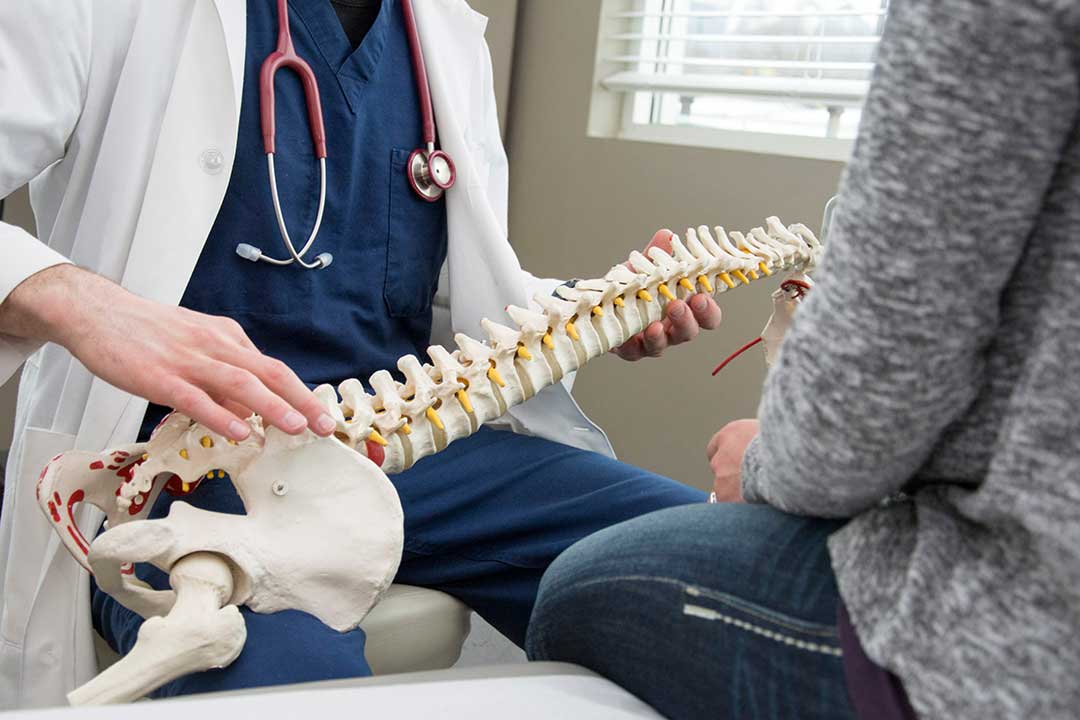
In physical therapy, the visit often includes:
- A full movement and function assessment
- Specific exercises and stretches (sometimes performed in clinics with equipment)
- Education on posture, lifting, and home safety—useful for residents managing daily snow removal or outdoor chores
- Gradual progression toward activity goals, like walking safely around the neighborhood or carrying groceries
Appointments for both are typically scheduled over several weeks, depending on the condition and goals.
Are There Risks or Misunderstandings?
Most treatments from licensed practitioners are considered safe and evidence-based, though any intervention carries some small risk of side effects or soreness. One common misunderstanding is that these fields are in “competition” or that someone must choose only one. In reality, the best outcomes often occur when professionals collaborate and the approach matches the individual’s needs, preferences, and recovery timeline.
Area households sometimes expect immediate or complete symptom relief. While both approaches can help, long-term improvement often requires consistent participation and attention to home exercises or lifestyle adjustments. Winter falls, repetitive motions, and age-related changes are common sources of musculoskeletal stress in the city, making steady progress especially valuable.
How Do Irondequoit Residents Decide Which to Choose?
Decisions are influenced by:
- The specific problem (e.g., acute injury versus long-standing pain)
- Desired outcomes (like getting back to gardening, golf, or winter walks)
- Referral or advice from a trusted family physician or specialist
Practical considerations—such as insurance coverage, transportation, and existing medical conditions—also play a role. Many local residents discuss options with their healthcare team to find a plan that fits their daily routines and preferences, whether recovery happens at home or includes regular clinic visits.
Chiropractic and physical therapy each offer practical, regulated, and complementary options for those in Irondequoit aiming to stay active and enjoy everyday life, season to season.
