
 See Our Latest Article on HelloNation
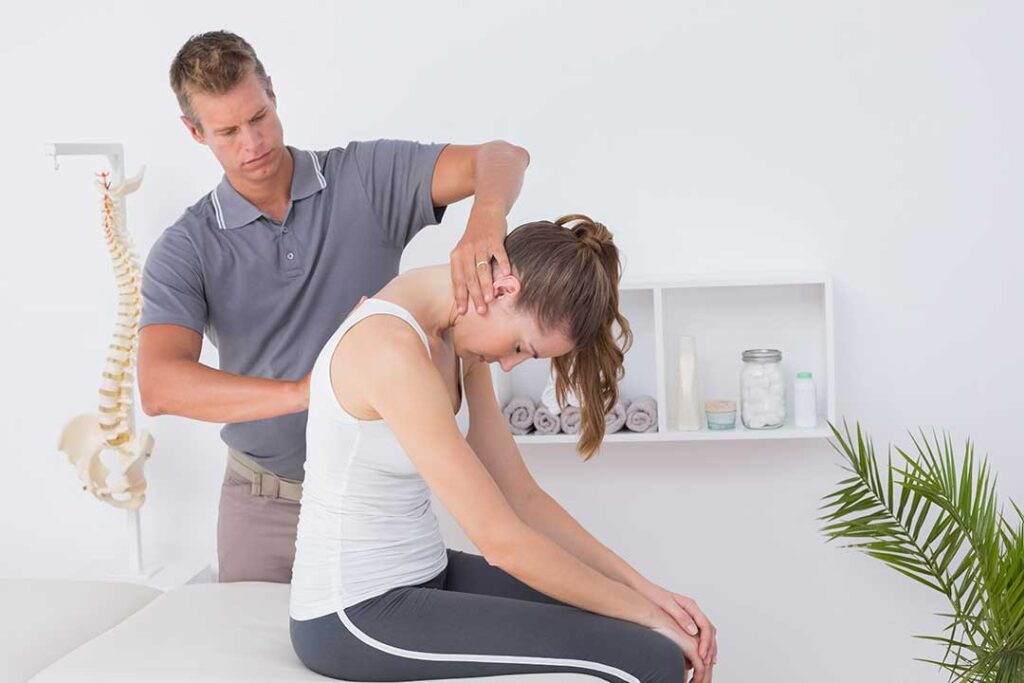
Chronic pain can affect movement, sleep, work, mood, and everyday routines. Self-care does not mean ignoring pain or managing it alone. It means using practical habits—alongside appropriate medical guidance—to improve function, reduce flare-ups, and make daily activities more manageable.
Chronic pain generally refers to pain lasting longer than three months or continuing beyond the expected healing period. It may involve the back, neck, joints, muscles, nerves, or several areas at once. The cause can include arthritis, an earlier injury, nerve irritation, migraine, fibromyalgia, or another health condition. Because causes differ, a strategy that helps one person may not be appropriate for another. ([medlineplus.gov](https://medlineplus.gov/chronicpain.html?utm_source=openai))
What daily habits can help manage chronic pain?
The most useful habits are usually consistent and modest rather than aggressive. A manageable routine may include gentle movement, regular sleep, planned rest, stress reduction, and a simple record of symptoms.
Residents of Irondequoit may notice seasonal challenges. Winter ice and snow can make walking more difficult, while cold temperatures may encourage long periods of sitting indoors. During those months, brief indoor movement breaks, safe footwear, and clear walking paths can help maintain activity without increasing fall risk.
Helpful habits include:
- Change positions regularly instead of sitting, standing, or lying in one position for long periods.
- Break household tasks into smaller steps, especially snow removal, laundry, gardening, and lifting.
- Keep frequently used items between waist and shoulder height to limit repeated bending or reaching.
- Use a pain and activity journal to identify patterns involving sleep, workload, weather, stress, or specific movements.
- Set goals based on function, such as walking to the mailbox or preparing a meal, rather than focusing only on a pain score.
Should people exercise when they have chronic pain?
Usually, appropriate movement is more helpful than complete rest, but the activity should match the condition and current ability. Physical activity can improve strength, flexibility, mood, sleep, and function. For arthritis, regular activity may also reduce pain and improve quality of life. ([ninds.nih.gov](https://www.ninds.nih.gov/health-information/disorders/pain?utm_source=openai))
Start below the level that causes a major flare. Examples may include:
- Short, easy walks on level ground
- Gentle range-of-motion movements
- Water-based exercise
- Light strengthening with body weight or resistance bands
- Brief stretching after muscles are warm
A useful approach is “start low and go slow.” Try five to ten minutes, observe how the body responds later that day and the next morning, then increase gradually if symptoms remain stable. A temporary increase in mild soreness can occur, but sharp, radiating, rapidly worsening, or unfamiliar pain is a reason to stop and reassess.
Complete bed rest is rarely a good long-term strategy for back pain. Extended inactivity can reduce strength and make ordinary movements more difficult. ([medlineplus.gov](https://medlineplus.gov/ency/patientinstructions/000516.htm?utm_source=openai))
How can sleep and stress affect pain?
Poor sleep and ongoing stress can make pain feel more intense and can reduce energy for movement and rehabilitation. Chronic pain can also make it harder to fall asleep, creating a cycle that affects both physical and emotional health. ([medlineplus.gov](https://medlineplus.gov/chronicpain.html?utm_source=openai))
A practical evening routine may include:
- Keeping a fairly consistent sleep and wake schedule
- Limiting demanding chores close to bedtime
- Using comfortable support for the neck, back, or knees
- Practicing slow breathing, progressive muscle relaxation, or quiet mindfulness
- Turning screens and stimulating activities down before bed
- Writing down worries or next-day tasks so they are not repeatedly rehearsed at night
Stress management does not suggest that pain is imaginary. Pain is a real sensory and emotional experience, and the nervous system can become more reactive when the body is tired or under prolonged stress. Counseling or cognitive behavioral therapy may help some people develop coping skills, improve sleep, and reduce fear-driven avoidance of normal activities. ([ninds.nih.gov](https://www.ninds.nih.gov/health-information/disorders/pain?utm_source=openai))
What can help during a pain flare?
A flare is a temporary increase in symptoms, often triggered by overactivity, poor sleep, illness, emotional stress, or an awkward movement. The goal is to reduce strain without stopping all movement.
During a flare:
- Temporarily reduce the intensity or duration of activity rather than abandoning movement completely.
- Use heat or cold only in ways that feel safe and appropriate for the condition.
- Return to normal routines gradually instead of trying to “make up” for missed activity.
- Use previously recommended exercises rather than experimenting with forceful stretching.
- Review what happened during the previous 24 to 48 hours, including lifting, travel, prolonged sitting, or disrupted sleep.
Over-the-counter pain medicines are not risk-free. Acetaminophen and anti-inflammatory medicines can interact with medical conditions or other medications. Follow the label, avoid combining products with overlapping ingredients, and ask a qualified healthcare professional or pharmacist about safe use—especially with kidney disease, liver disease, ulcers, blood thinners, pregnancy, or heavy alcohol use. Opioid medicines should be used only as directed because they can cause serious side effects and dependence. ([ninds.nih.gov](https://www.ninds.nih.gov/health-information/disorders/pain?utm_source=openai))
What role can chiropractic care play?
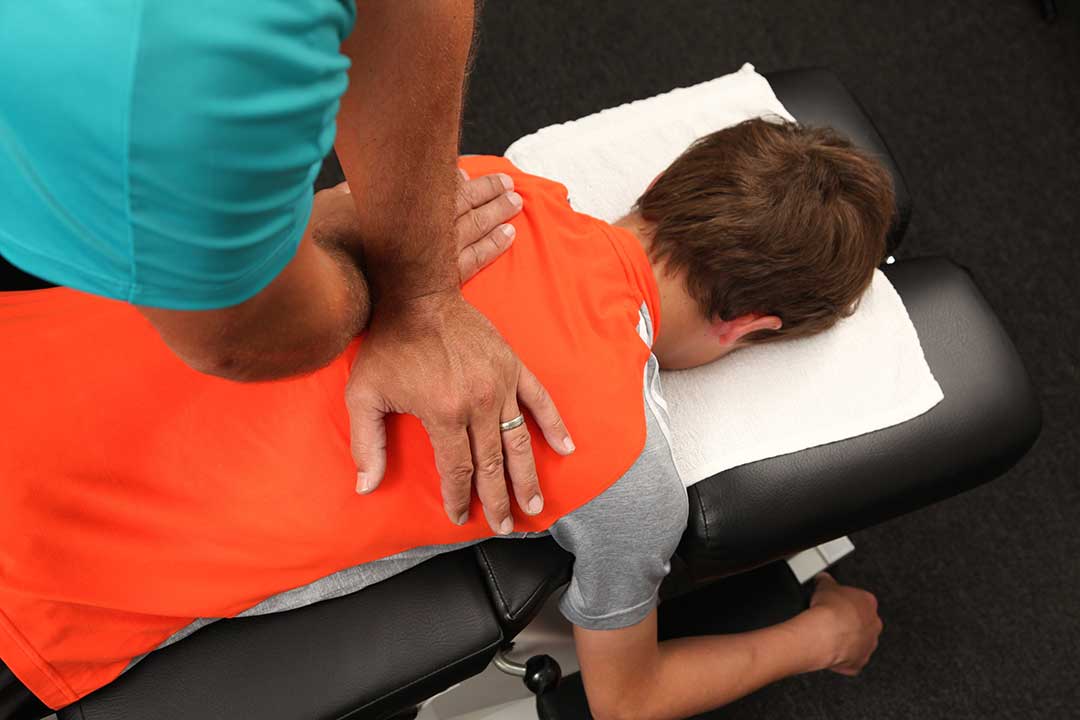
Chiropractic care is one possible component of a broader plan for some musculoskeletal problems, particularly when treatment is centered on movement, function, education, and appropriate hands-on care. It should not be treated as a universal solution for every type of chronic pain.
A person considering chiropractic care should share relevant medical history, symptoms, medications, prior imaging, and any changes in strength or sensation. Self-care exercises should be clear, gradual, and compatible with the suspected cause of pain. Chiropractic care may be inappropriate or require medical evaluation first when symptoms suggest infection, fracture, cancer, progressive nerve problems, or another serious condition. Research-based pain care commonly combines physical activity, physical therapy, behavioral approaches, lifestyle changes, medication when appropriate, and other treatments selected for the individual. ([ninds.nih.gov](https://www.ninds.nih.gov/health-information/disorders/pain?utm_source=openai))
When should chronic pain be evaluated promptly?
New or worsening pain should not automatically be assumed to be a routine flare. Seek urgent medical evaluation for pain accompanied by:
- New loss of bladder or bowel control
- Numbness around the groin or inner thighs
- Progressive weakness in an arm or leg
- Chest pain, severe shortness of breath, fainting, or sudden neurological symptoms
- Fever, unexplained weight loss, or feeling acutely ill
- Severe pain after a fall, collision, or other injury
- A swollen, hot, red joint with fever
- New pain in someone with a history of cancer, significant immune suppression, or fragile bones
Persistent pain also deserves evaluation when it repeatedly disrupts sleep, limits work or self-care, or requires frequent medication. The purpose is not only to reduce symptoms but also to identify contributing conditions and create realistic goals for movement and daily function.
A sustainable plan usually focuses on what a person needs to do more comfortably—sleep through the night, walk safely, care for a household, or participate in family life. Tracking those functional changes can provide a more useful measure of progress than expecting pain to disappear completely.
