
 See Our Latest Article on HelloNation
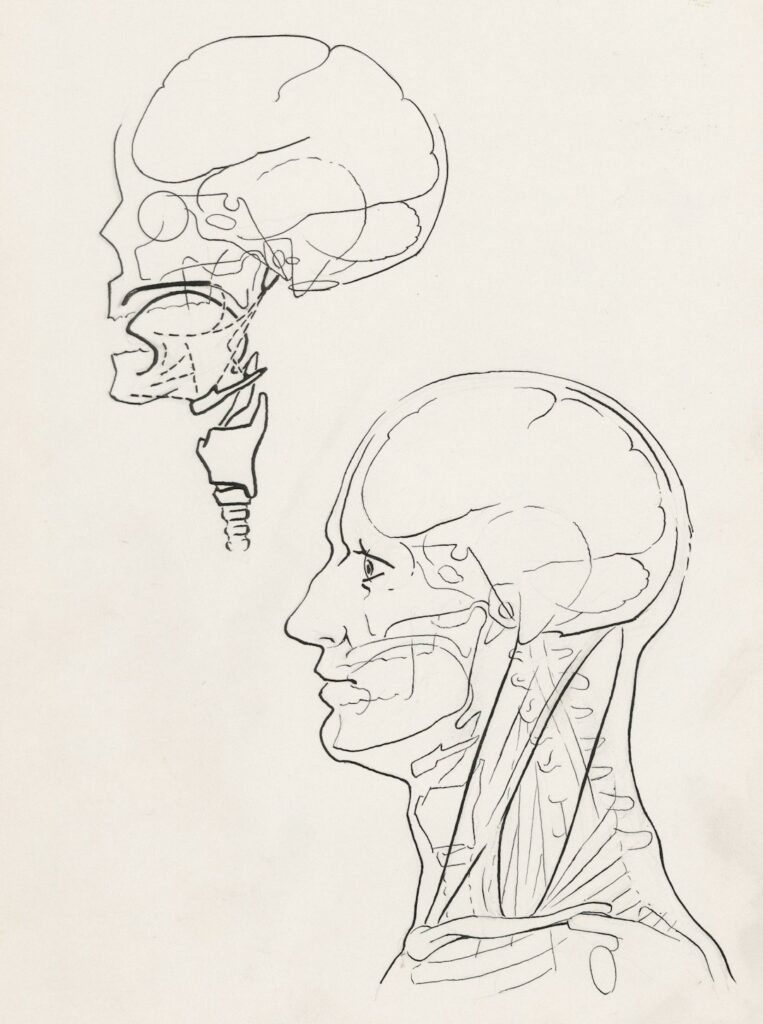
Jaw pain is often treated as a problem limited to the teeth or jaw joint. In reality, the jaw, neck, upper back, and nervous system work together, so irritation or tension in one area can influence symptoms in another. This does not mean every jaw problem comes from the spine, but it explains why some people notice jaw pain alongside neck stiffness, headaches, shoulder tension, or changes in posture.
How are the jaw and spine connected?
The jaw is controlled by muscles that attach to the skull, neck, shoulders, and upper chest. The temporomandibular joints, commonly called TMJs, sit just in front of the ears and allow the mouth to open, close, chew, and speak.
Jaw movement is coordinated with the upper cervical spine, especially the muscles and joints near the base of the skull. Sensory information from the jaw and neck also travels through overlapping areas of the nervous system. Because of this shared anatomy, the brain may interpret irritation in the jaw, upper neck, or surrounding muscles as pain in more than one location.
A person with jaw tension may therefore experience:
- Aching near the ear or cheek
- Neck tightness or reduced neck movement
- Headaches near the temples or back of the head
- Shoulder tension
- Facial fatigue while chewing
- Pain that increases after prolonged sitting or screen use
The relationship works in both directions. Neck discomfort can change head positioning and muscle activity, which may affect how the jaw moves. Jaw clenching can also increase tension in the neck and upper back.
Does poor posture cause jaw pain?
Posture may contribute to symptoms, but it is rarely the only explanation. Forward-head positioning, rounded shoulders, or prolonged looking downward can increase the workload of the muscles that stabilize the head and jaw. This may be noticeable during long periods of computer use, driving, reading, or phone use.
However, research does not support the idea that a single “bad posture” or spinal alignment issue explains all jaw disorders. Jaw pain can also involve tooth grinding, stress-related clenching, trauma, arthritis, joint disc movement, inflammation, sleep problems, or changes in chewing habits.
Posture is best understood as one possible influence rather than a complete diagnosis.
What signs suggest that the neck and jaw may be involved together?
Symptoms that occur in both regions deserve attention, especially when they follow a recognizable pattern. Examples include jaw discomfort that worsens after neck stiffness, headaches that begin near the upper neck and spread toward the face, or increased clenching during stressful periods.
Other clues include:
- Clicking, popping, or grating during jaw movement
- Difficulty opening the mouth fully
- Jaw locking open or closed
- Tenderness in the chewing muscles
- Neck pain on the same side as jaw symptoms
- Ear fullness without a clear ear infection
- Pain after waking, which may suggest nighttime clenching
- Symptoms that increase after extended desk or device use
A painless click does not always require treatment. Pain, locking, progressive loss of movement, or difficulty eating is more concerning than sound alone.
Can spinal treatment help jaw-related symptoms?
Addressing the neck and upper back may help some people, particularly when muscle tension, restricted movement, or activity-related strain is part of the problem. Gentle movement, exercise, ergonomic changes, and carefully selected manual techniques may reduce stress in the surrounding tissues.
That does not mean spinal care can correct every TMJ disorder or replace dental and medical evaluation. Jaw symptoms may come from structures that require assessment by a dentist, oral and maxillofacial specialist, physician, or physical therapist with experience in orofacial conditions.
A sensible evaluation considers the whole pattern:
- Jaw movement and tenderness
- Neck range of motion
- Headaches and nerve-related symptoms
- Sleep and nighttime grinding
- Recent injury or dental procedures
- Medication use and general health
- Eating, chewing, and speaking limitations

Aggressive or irreversible treatment should not be based only on a posture assessment or the presence of a neck problem.
What can residents try at home?
Many mild jaw and neck symptoms improve with short-term, low-risk measures. The goal is to reduce irritation without forcing the joint or repeatedly testing painful movement.
Helpful steps may include:
- Keep the teeth slightly apart when not eating; the lips can rest together while the jaw remains relaxed.
- Choose softer foods temporarily if chewing increases pain.
- Avoid gum, chewy candy, nail biting, and deliberately wide yawning.
- Use a comfortable warm compress over tense jaw or neck muscles.
- Take brief movement breaks during computer, phone, or reading tasks.
- Position screens closer to eye level instead of repeatedly bending the neck downward.
- Perform only gentle neck and jaw movements that do not increase pain.
- Pay attention to clenching during concentration, driving, cold weather, or stressful conversations.
Cold winters and indoor heating can encourage muscle tension and reduced activity. Staying warm, changing positions regularly, and avoiding prolonged jaw clenching while outdoors may be useful for some people in Irondequoit.
Over-the-counter pain medicine may be appropriate for some adults, but it is not safe for everyone. People with ulcers, kidney disease, blood-thinning medication, allergies, pregnancy, or other medical concerns should check with a qualified healthcare provider before using it.
When should jaw pain be evaluated promptly?
Jaw pain should be assessed if it persists, repeatedly returns, interferes with eating or sleep, or is accompanied by limited movement. A dental examination is especially useful when pain is associated with a tooth, bite change, swelling, or sensitivity to hot and cold.
Urgent medical attention is appropriate for jaw pain with chest pressure, shortness of breath, sweating, faintness, or pain spreading into the arm or upper body. Immediate evaluation is also warranted for facial swelling, fever, difficulty swallowing, inability to open the mouth, significant injury, new numbness, or sudden weakness.
What is the main takeaway?
Jaw pain and spinal health can be connected through shared muscles, movement patterns, posture, and nervous-system pathways. The connection is real but not simple: a neck problem does not automatically cause a TMJ disorder, and treating the spine alone may not address the source of jaw symptoms.
The most useful approach is usually conservative and whole-person: reduce clenching, vary sustained positions, maintain comfortable neck movement, observe triggers, and seek an appropriate evaluation when symptoms persist or interfere with normal function.
