
 See Our Latest Article on HelloNation
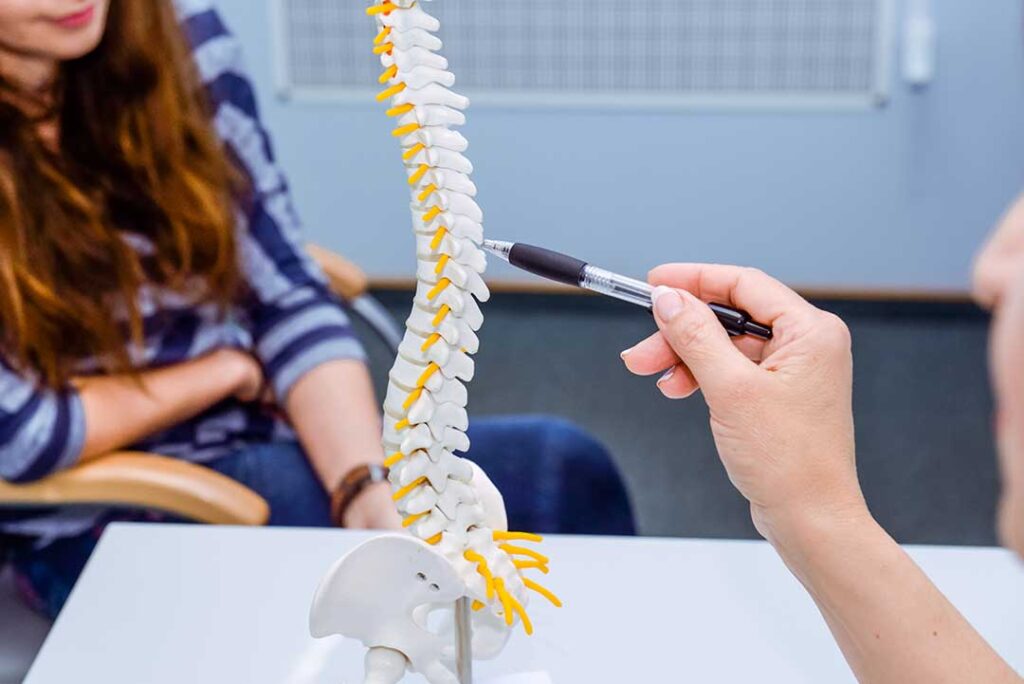
What Causes “Tech Neck” in Modern Life?
Neck pain from frequent device use isn't just a minor annoyance—it’s a growing musculoskeletal issue, especially as daily routines increasingly involve screens. Tech neck describes the discomfort or pain that develops from looking down at phones, tablets, or laptops for long stretches. The head weighs about 10-12 pounds, but tilting it forward can increase the effective load on the neck to up to 60 pounds. Even local residents with active lifestyles may spend significant hours on screens for work, school, or social connection, contributing to this problem.
In Irondequoit, settings like home offices, schools, and even garages converted for remote work all create scenarios where residents spend lots of time hunched over devices. Understanding the root causes—awkward posture, repetitive use, and lack of healthy movement—helps guide effective prevention.
How Can Device Habits Be Adjusted to Prevent Neck Pain?
Simple changes to how devices are used throughout the day can significantly lower the risk of tech neck. Aim to keep screens at eye level, and bring devices up rather than craning the neck down.
- For home workstations, use sturdy books or stands to elevate monitors or laptops.
- When reading on a tablet or phone, hold it with bent elbows so the screen is higher.
- Try hands-free options like tablet holders or adjustable laptop risers, especially for students or people working remotely from tight home spaces.
In Irondequoit households, where space may vary from dense neighborhoods to larger homes, adapting existing furniture—like kitchen tables or spare desks—works well. Even setting reminders to look up and stretch during long screen sessions helps break up posture habits.
Does Desk Setup at Home Really Matter?
Positioning matters because the body adapts to whatever environment it's placed in for hours on end. A well-arranged space reduces muscle strain and keeps the spine neutral.
For local homes, here are practical adjustments:
- Use a chair with a supportive back (adding a rolled towel for lumbar support if needed).
- Keep feet flat on the floor, with knees level or slightly lower than hips.
- The top of the monitor should be at or just below eye level, about an arm’s length away.
- Place keyboards close enough that elbows can relax at the sides.
These tips work in traditional home offices or on makeshift setups at dining tables or counters, which is common in many Irondequoit homes, especially if space is tight.
What Exercises or Movements Help Counteract Tech Neck?
The best exercises are those that restore healthy movement, balance out repetitive positions, and can be done during short breaks.
Effective movements include:
- Chin tucks (gently drawing the chin back like making a double chin) to strengthen deep neck muscles.
- Neck stretches by gently tilting the head side to side, holding each stretch for 10-15 seconds.
- Shoulder blade squeezes: Pull the shoulder blades back and down, holding for a few seconds to reset posture.
Local parks, lakefronts, or even backyards in the city offer inviting settings for getting up and moving between work tasks or screen time, making these stretches accessible and easy to integrate into daily routines.
Are Kids and Teens in Irondequoit at Risk?

Students and young people often have high screen use for schoolwork, games, and social activities. Their bodies are still growing, which means poor habits may have long-term effects. It's common for students to “unwind” after school with handheld devices, intensifying screen exposure.
Prevention for young people centers on:
- Encouraging regular breaks from screens (at least 5 minutes per 30 minutes of use)
- Teaching them to hold tablets or phones at eye level
- Involving the family in active breaks—short walks, active chores, or practicing stretches together
Families in Irondequoit, whether living in single-family homes or apartments, can model healthy device habits by setting up communal charging stations away from the couch or beds to discourage lounging and slouching with devices.
Can Daily Activities in Irondequoit Be Used to Offset Screen-Related Strain?
Many daily chores and routines already encourage healthy posture and movement if approached mindfully. Gardening, walking to local shops, or playing outdoors at local playgrounds all give the spine a break from forward-head posture.
Simple strategies:
- Carry grocery bags with both hands close to the body rather than dangling them from one arm.
- Use community walking trails or neighborhoods to break up periods of sitting with movement.
- Try standing during phone calls or using voice commands to minimize time looking down.
Small, regular changes offer ongoing relief and can be naturally worked into the rhythm of life in the community.
What Are Common Myths About Preventing Tech Neck?
Some believe that only heavy device users are at risk, but short, frequent periods of poor posture can also contribute. Others may think expensive equipment is necessary, but household items like books, rolled towels, or pillows can be just as effective for support.
Residents sometimes assume neck pain is just a normal part of using technology and can’t be changed. However, small adjustments and regular movement provide real benefits, helping people of all ages feel more comfortable and avoid chronic issues.
